
The secretary. The custodian. The counselor. These people in your building play an often behind-the-scenes, yet vitally important, role in your program’s success.
The secretary. The custodian. The counselor. These people in your building play an often behind-the-scenes, yet vitally important, role in your program’s success.
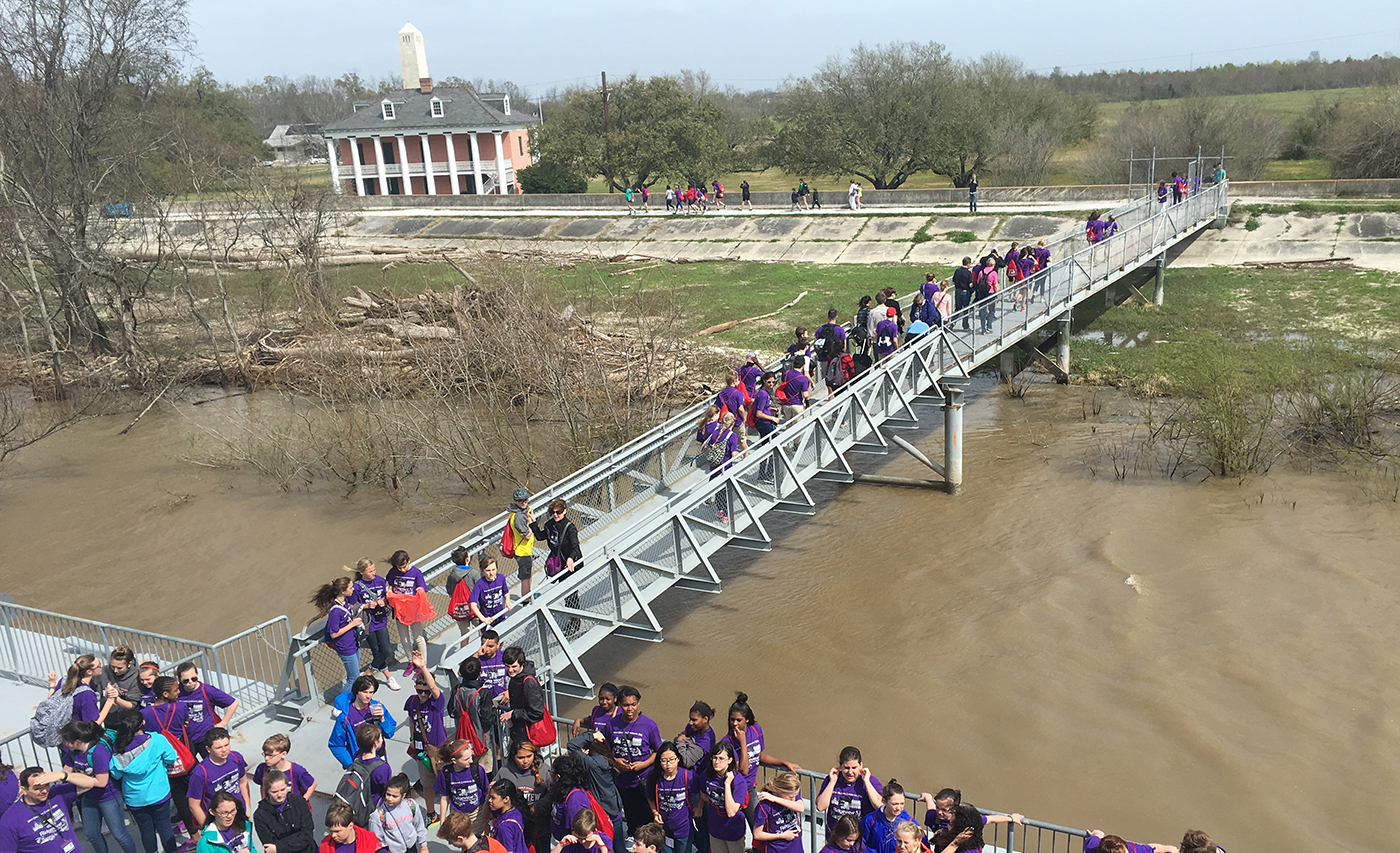
Traveling with school music groups has a multitude of benefits – both musical and non-musical. Many times the nonmusical benefits far outweigh the musical benefits.

Are we playing today? What are we going to do for the rest of the year? Why do we still have class?
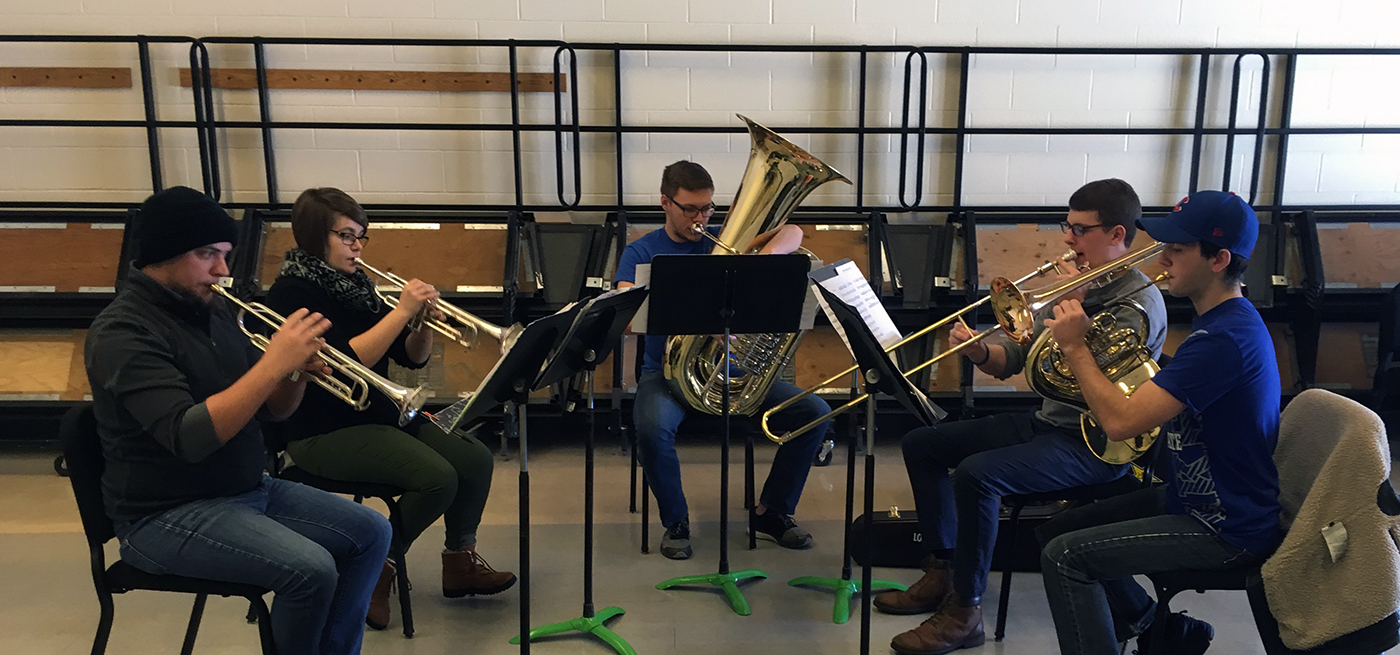
Imagine a perfect world. Imagine a world where your students bring greatly improved attitude, sound, rhythm, confidence, and listening skills to your rehearsal.

Though the history books may not always reflect this truth, women have always had considerable influence in shaping the field of music education.

Music performance, at its best, must be fluent. Listeners expect to hear uninterrupted lines that include clear communicative information. Listeners desire accuracy and true competency from performers.

‘Tis the season for festival prep! For many band directors, jazz band happens outside of “regular” rehearsals, and that means preparing for a big performance (like a contest) can be daunting.
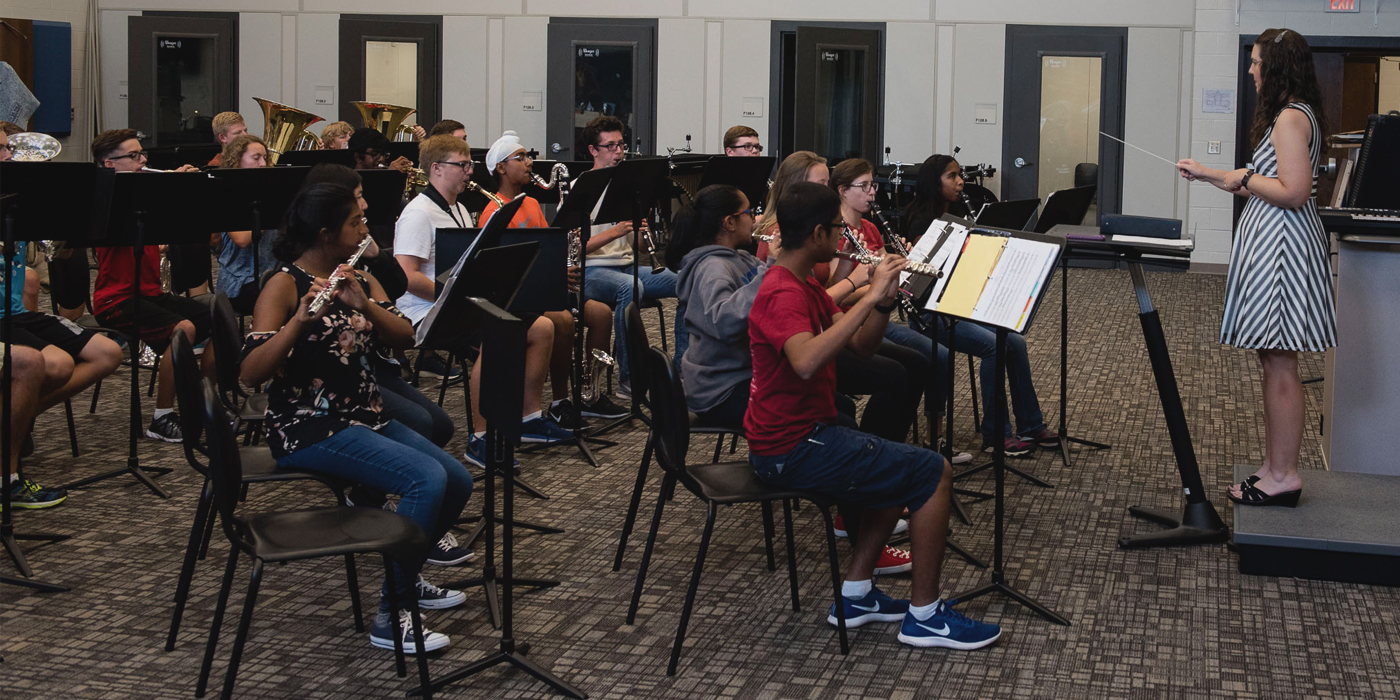
The strength and depth of a program that has multiple bands depends on the vitality of its non-varsity ensembles. Many band programs have excellent varsity bands, but I believe that in the best band programs, every band is strong, whether there are two bands or ten.
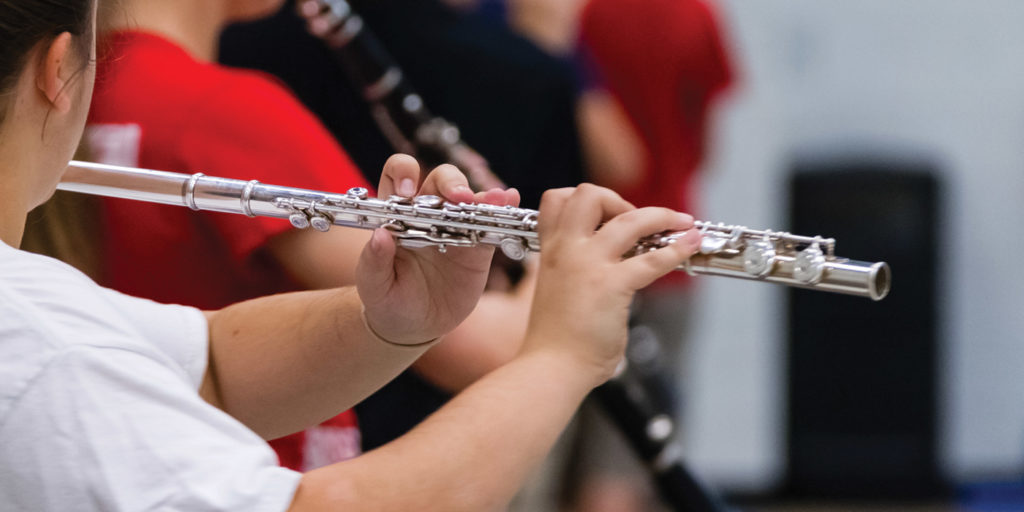
Once students are in your program, it’s vital that you retain them. Retention starts with our very beginning-level students and it is vital that we focus on keeping them once they have started in the program.

One of the biggest skills any improviser should develop is the ability to create melodic ideas. The creation of these licks is integral to the jazz musician, and as teachers and performers, we want to grow this skill as quickly as possible.