You already know what your students need. That’s not the hard part.
You’ve watched your 7th grade tenor boys struggle through that soli interval at measure 23.
You already know what your students need. That’s not the hard part.
You’ve watched your 7th grade tenor boys struggle through that soli interval at measure 23.
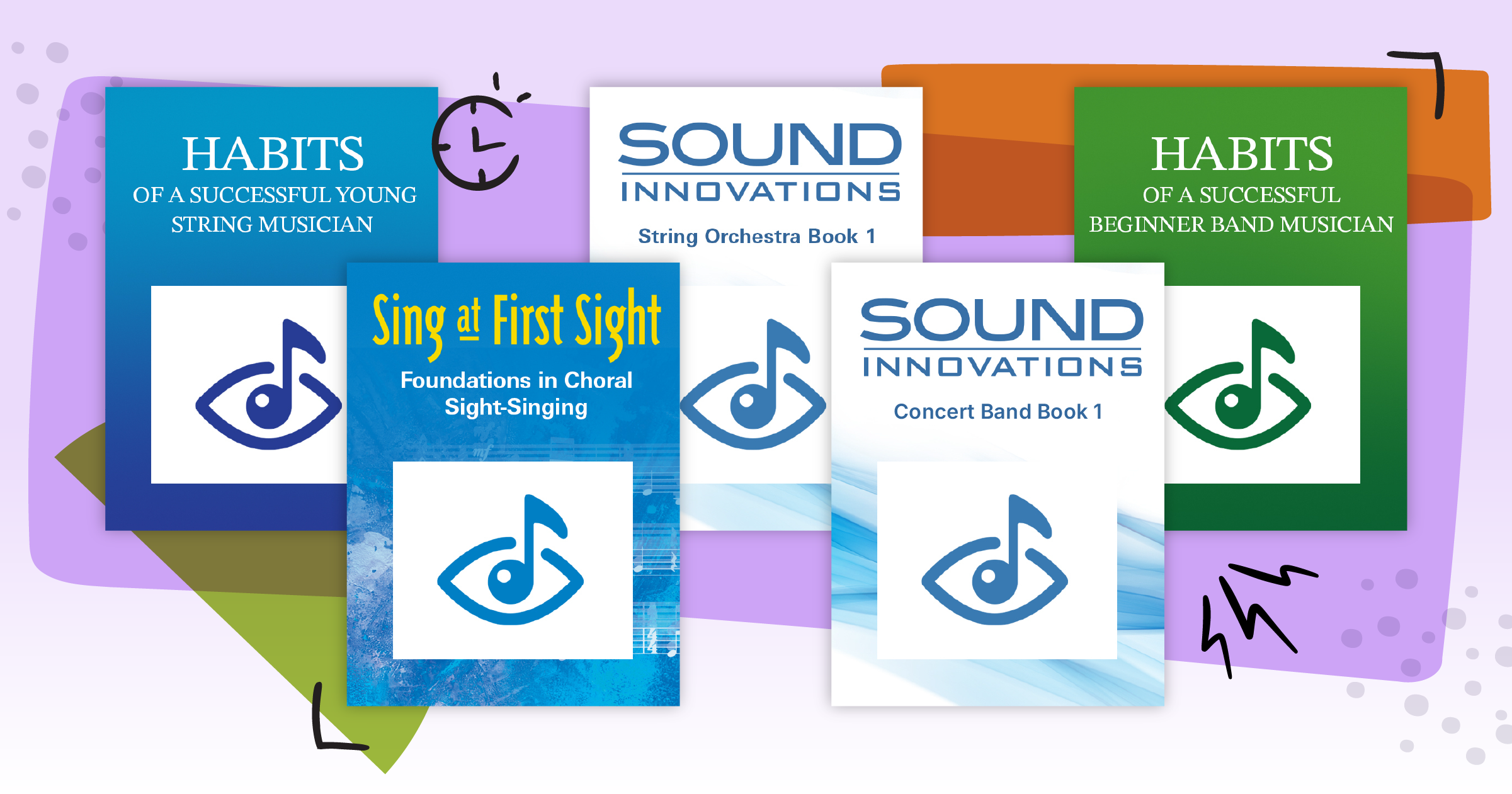
Strong sight readers learn music faster, rehearse more efficiently, and walk into the festival sight reading room with confidence instead of dread.
Welcome back teachers and directors! The start of a new school year is filled with energy and excitement, but let’s be honest, it can also be filled with administrative hurdles.

You know this student, though “know” is a funny word for it, because they’ve made a quiet art out of not being noticed.
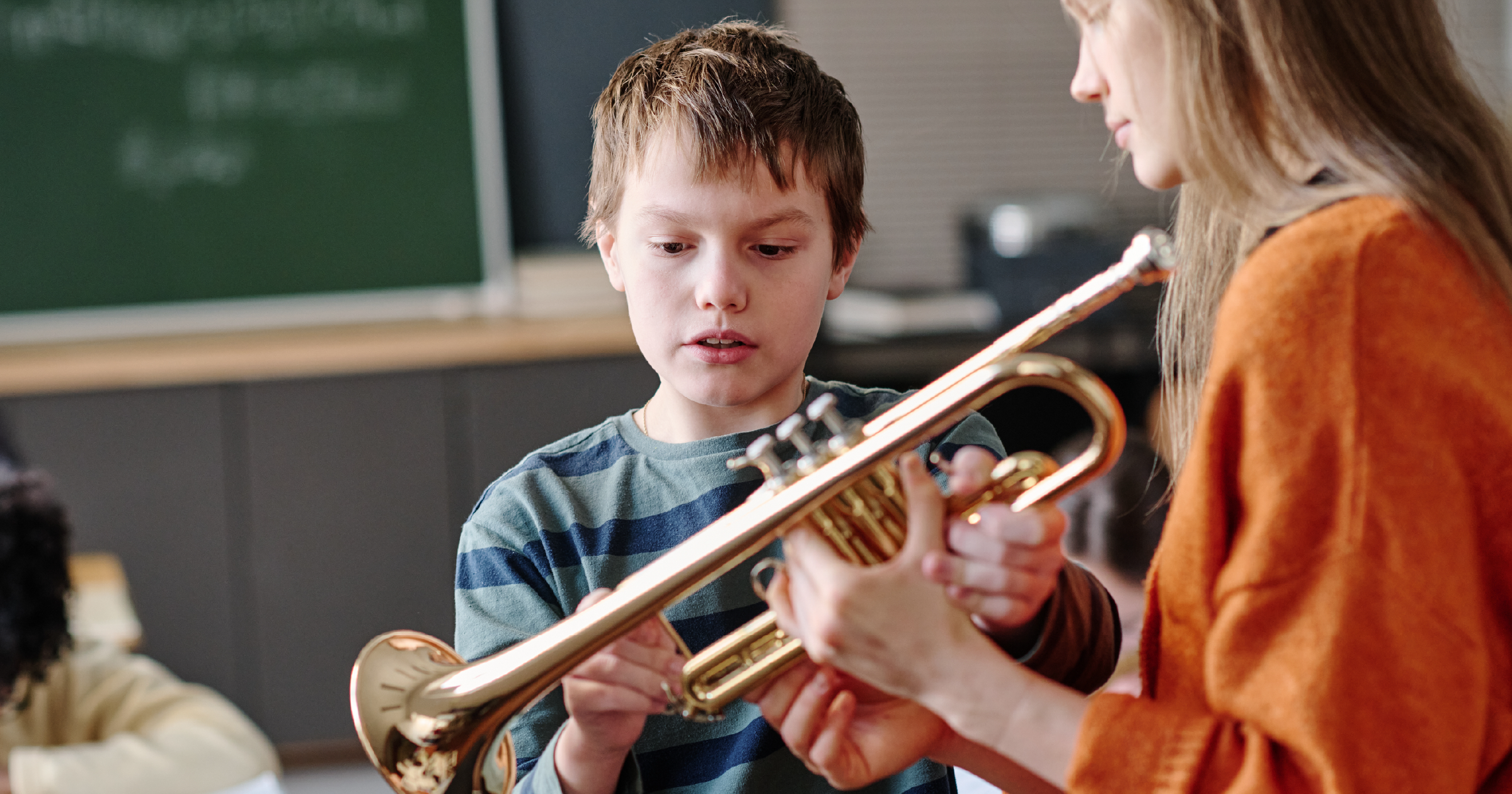
You know this student, too. Maybe there’s an IEP in the file, or a learning difference that never got a formal name, or a home situation that makes “practice 20 minutes a night” a nonstarter through no fault of their own.
Teacher Pain Point: “I don’t have the budget, the venue, or a massive feeder program to build a thriving music department.”
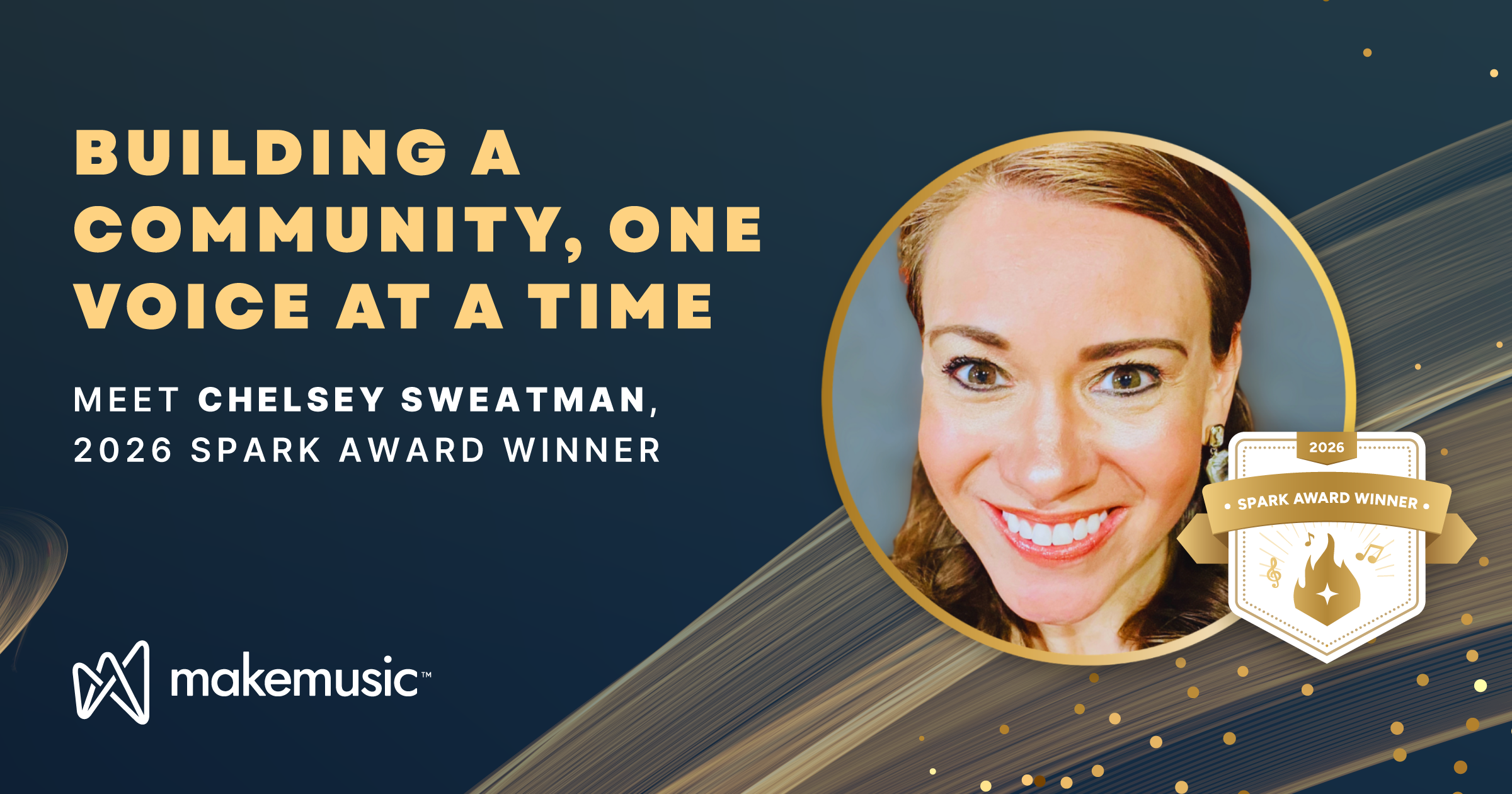
When Chelsey Sweatman walked into Bridgetown Middle School 12 years ago, the choir program was practically non-existent.
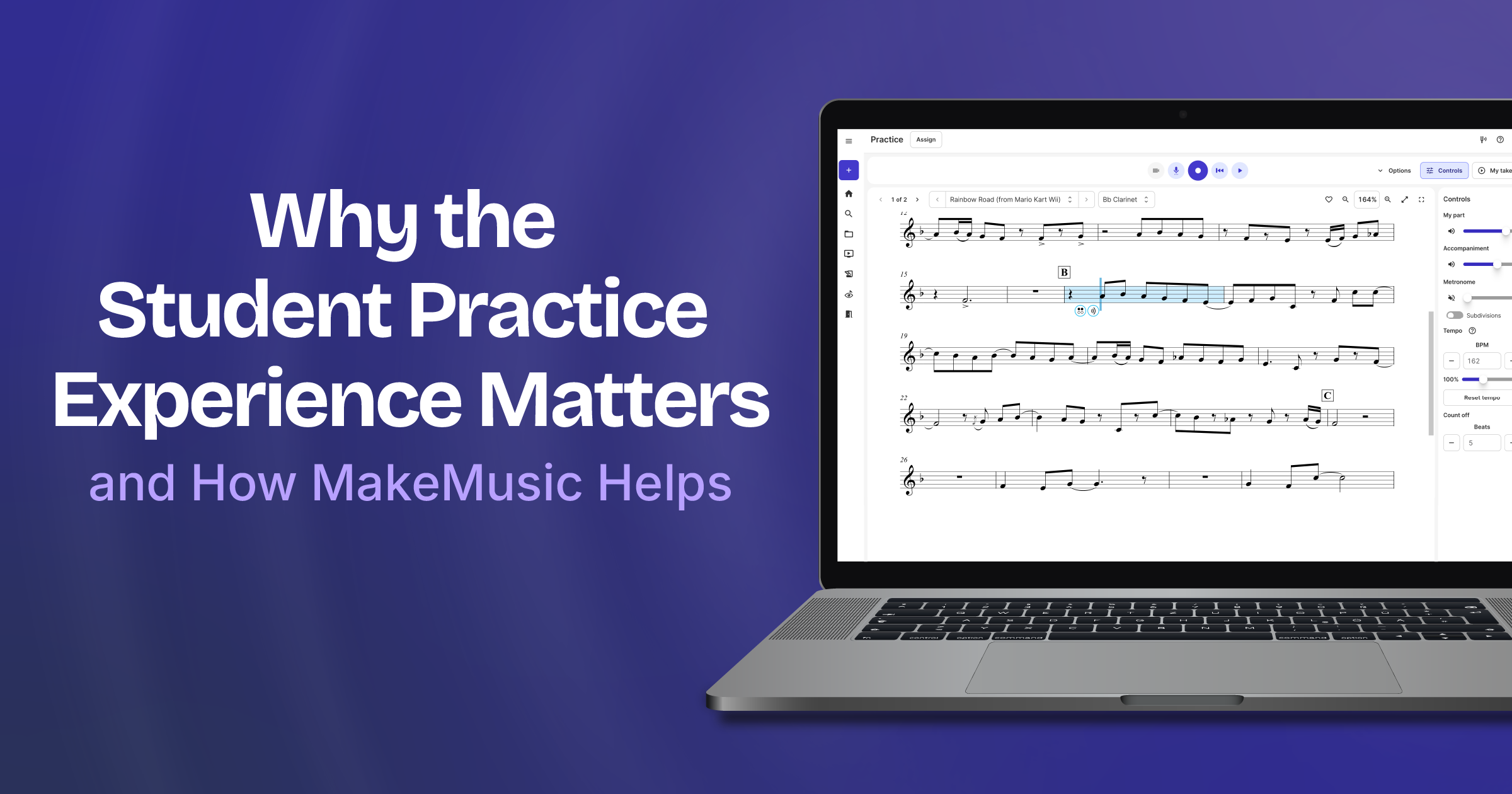
You spend your days in the room with your students modeling tone, correcting posture, building ensemble skills, and doing the hundred other things that make you a great director.
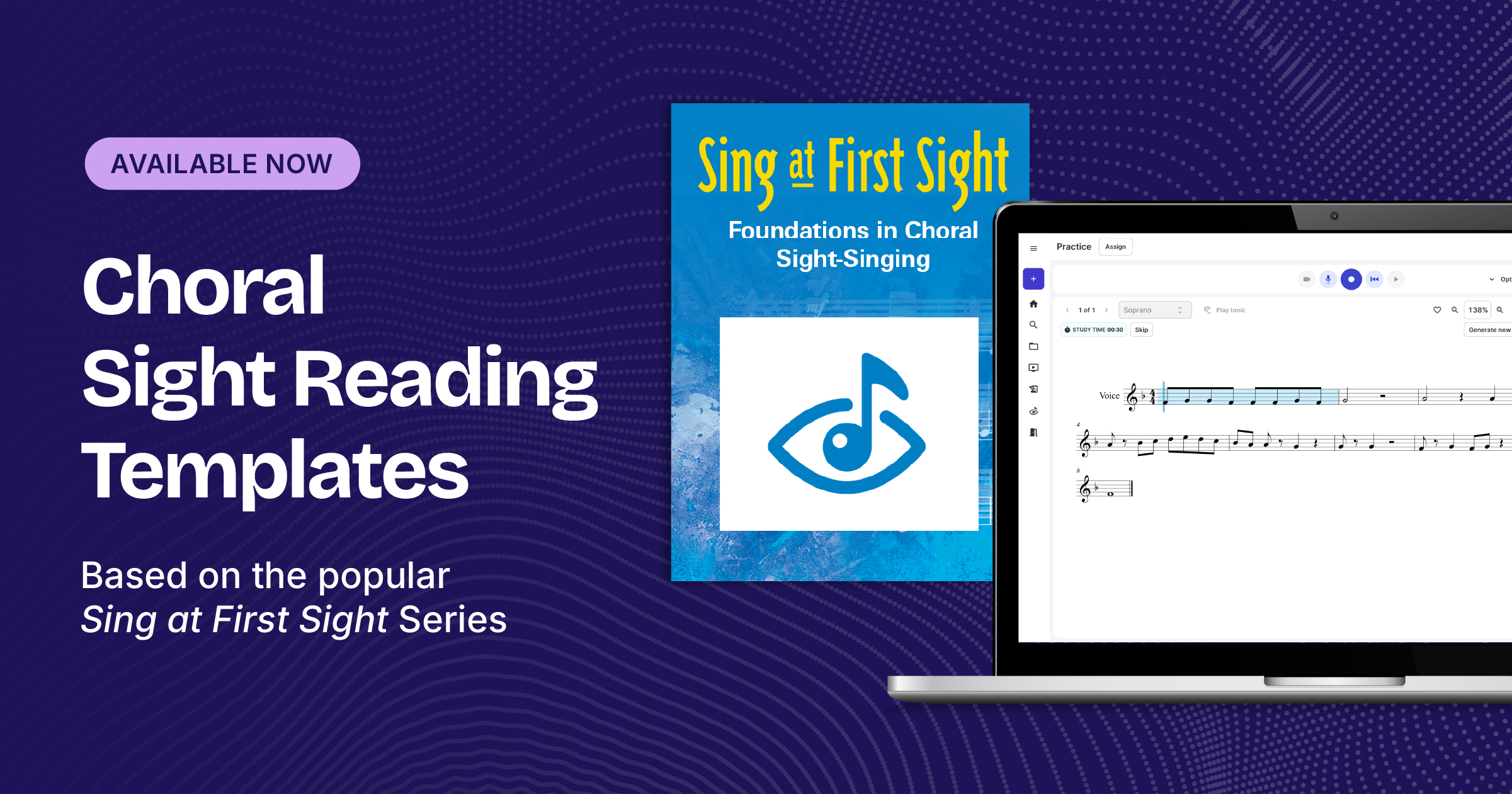
Sight-singing is one of the most important skills for any singer to develop, and often one of the most intimidating.
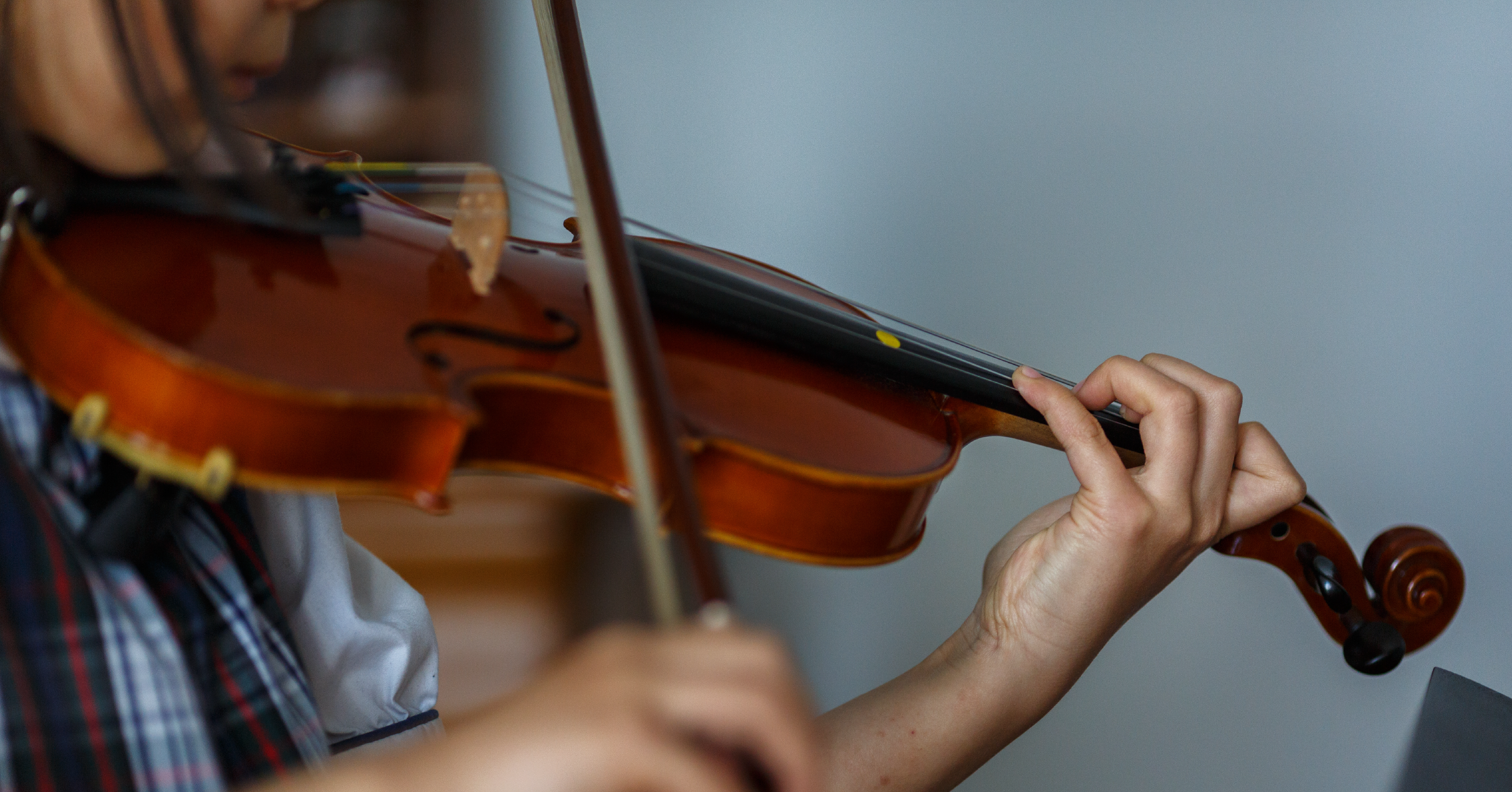
You know this student. First chair, self-taught half the time, finished the assignment before you were done explaining it. Maybe a perfectionist about it too: never satisfied, hard on themselves over every missed note.
There’s a reason music educators are a breed set apart. The before-school sectionals, the late-night concert prep, the sheer love of the craft that keeps you coming back every school year.