
If there is one thing every music teacher wants, it is for students to open new music and dive in with confidence instead of hesitation.
Sight reading can feel a little like magic when you see it in action. A student opens a brand-new piece of music, scans the page, and brings it to life.
Of course, that kind of fluency doesn’t just happen on its own. Sight reading is often one of the most challenging skills to teach, yet it is also one of the most valuable. When students learn how to sight read music, they gain independence, confidence, and adaptability, skills that not only improve their performance in class but also give them an edge in auditions, festivals, and beyond.
For teachers, the challenge is finding effective ways to build these skills without losing precious rehearsal time. The good news is that with a structured approach and the right tools, sight reading instruction can be integrated into daily routines in just a few minutes while yielding long-term results.
What Is Sight Reading?
Sight reading is not just about students “playing the notes.” It is the act of reading and interpreting rhythms, pitches, dynamics, articulations, and stylistic markings while producing the music in real time. At the same time, students are audiating, mentally hearing the music, and coordinating those sounds with the physical actions required to sing or play. Altogether, sight reading helps musicians demonstrate true literacy in the language of music!
True sight reading happens on the first attempt. Anything after that, even a second run-through, is practice. This is why the most effective classroom exercises are short, manageable, and carefully matched to students’ current skill levels. With this approach, they can concentrate on accuracy and musicality in a single attempt.
It is also important to remind students of the difference between sight reading and learning a piece. Learning a piece is an in-depth process of refinement over multiple rehearsals. Sight reading, by contrast, is about the very first encounter and making the most of their existing skills to perform with minimal preparation.
The Benefits of Teaching Sight Reading
Dedicating time to sight reading may feel like a trade-off in already packed rehearsals, but the payoff for students and teachers is significant. When it becomes part of your teaching routine, you are not just preparing students for a single contest or concert; you are building skills that transfer to every aspect of their musical growth.
Musical independence
Students who can sight read rely less on you to guide every note and rhythm. They come to rehearsals prepared to solve problems on their own, which frees up rehearsal time for musical expression instead of note correction.
Faster learning curve
An ensemble full of strong readers can learn new repertoire much more quickly. This efficiency gives you room to focus on phrasing, blend, dynamics, and style, rathe
Confidence in assessments and auditions
Sight reading is a common component of contests, festivals, and auditions. Students who have practiced regularly approach these situations with less fear and more assurance, which reflects positively on both their individual growth and your program.
Transferable musicianship
The skills gained through sight reading extend to improvisation, composition, and overall music literacy. Students who can recognize and anticipate patterns are better equipped to interpret new music across genres and settings.
Stronger retention and engagement
When students feel capable of tackling unfamiliar music, they are less likely to become frustrated and give up. Regular sight reading builds confidence, which encourages long-term participation in your program.
The Essentials of Sight Reading
Teaching sight reading works best when you start with the essentials and build gradually. Rather than overwhelming students with full pieces, focus on reinforcing the core skills that make reading new music feel manageable.
Audiation before execution
Encourage students to silently hear the music in their head before they sing or play a note. This helps them develop inner hearing, a skill that strengthens intonation and rhythmic accuracy, whether they are vocalists or instrumentalists.
Rhythmic fluency
Clapping, counting, or speaking rhythms aloud builds comfort with time. Rhythm is often the first stumbling block, so making it a daily warm-up can prevent mistakes before they happen.
Pattern recognition
Show students how scales, intervals, and chord progressions appear in the music they are reading. When they recognize these patterns, their reading shifts from note-by-note guessing to fluent musical interpretation.
Consistent practice with short examples
Sight reading works best when students get frequent, low-stakes opportunities to try it. A 30-second exercise at the start of rehearsal can be more effective than an occasional, high-pressure test.
Developing independence
Encourage students to mark accidentals, identify tricky rhythms, or silently subdivide before performing. These strategies empower them to approach a score with tools they can apply in real time.
When these habits are built into rehearsal routines, students develop a toolkit they can apply to any new score.
Most Common Sight Reading Mistakes
Ask most music educators where sight reading breaks down, and many will give you the same answer: rhythm. But why? Because rhythm is the backbone of music. Without it, even the correct notes will sound wrong. That’s why rhythm sight reading and rhythmic sight reading deserve focused, daily attention.
Set aside 5–10 minutes per rehearsal or practice session for rhythm drills. Use challenging measures from your repertoire, isolate tricky time signatures, and incorporate articulations early so students build stylistic awareness alongside accuracy. Improving rhythm reading directly boosts overall fluency.
Other common pitfalls to watch for include:
- Starting without scanning the music
Students often jump straight in without checking key signatures, time signatures, or accidentals. Encourage a brief scan before beginning. - Stopping to fix mistakes
Fluency matters more than perfection. Train students to push forward, even if errors happen, so they build confidence and performance readiness. - Focusing only on pitches
When students zero in on note accuracy, they often lose sight of dynamics, phrasing, and musical expression. Reinforce that sight reading is about making music, not just playing the right notes. - Overlooking patterns
Encourage recognition of scales, intervals, and rhythmic motifs. Pattern recognition helps students process faster and read more efficiently.
By addressing these rhythm-centered issues and reinforcing broader habits, teachers can give their students the tools to approach new music with confidence and accuracy.
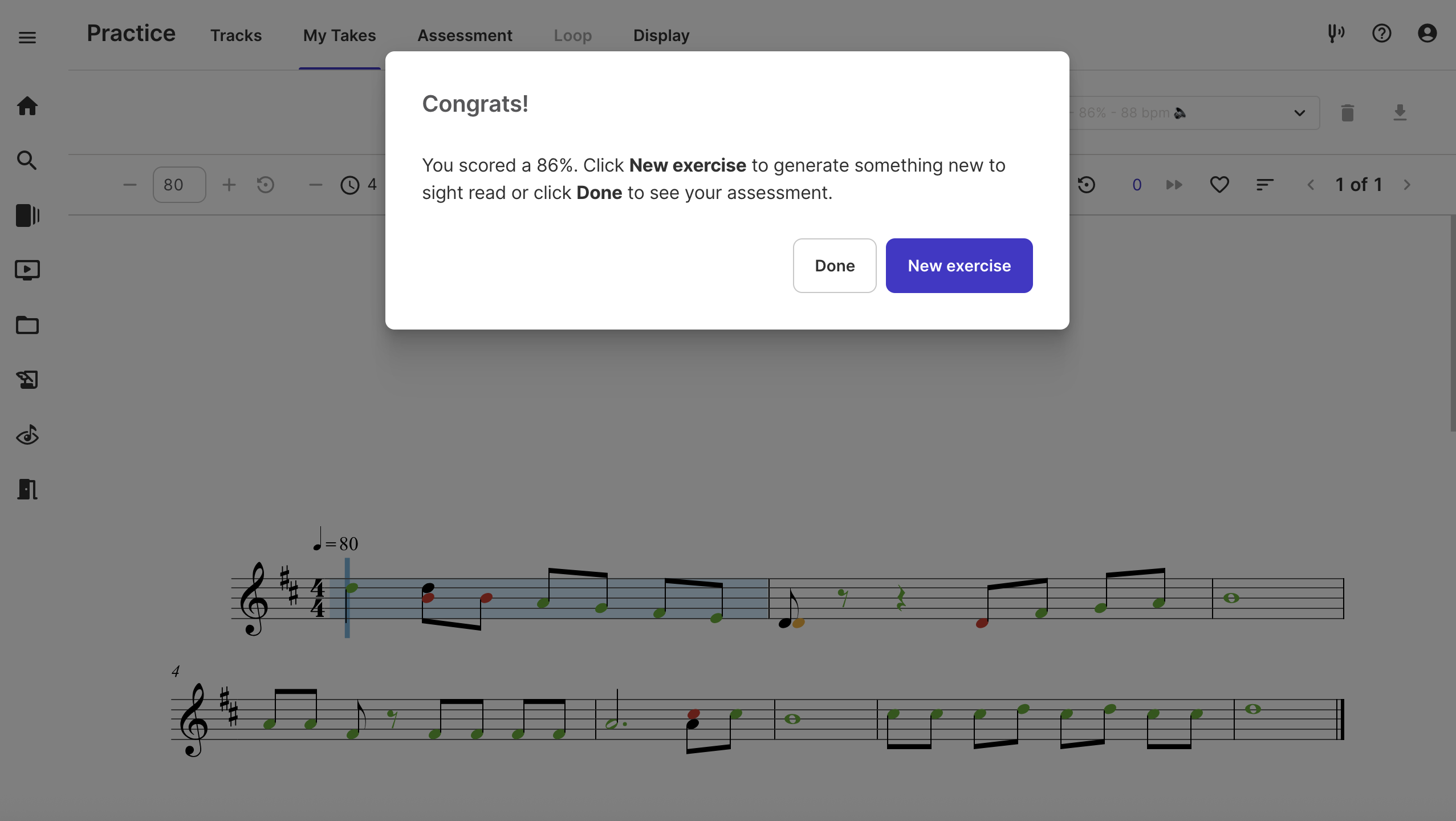
With Sight Reading Studio in MakeMusic Cloud, students can go through an exercise and then evaluate their performance afterward with Practice Assessment so they can stay focused on one task at a time.
Practical Tips for Teaching Sight Reading
Once the foundations are in place, sight reading becomes much easier to reinforce through everyday teaching. Here are some classroom-tested strategies that help students grow consistently:
Make it part of the routine
Dedicate just a few minutes of every rehearsal to sight reading. Short, consistent exposure works better than occasional intensive drills.
Vary the material
Rotate between different styles, meters, and difficulty levels. Exposure to a wide range of music helps students adapt quickly when new repertoire is placed in front of them.
Use ensemble sight reading
Have the full group sight read together, but encourage independent responsibility. Students gain confidence from the group setting while still developing their individual skills.
Leverage technology and tools
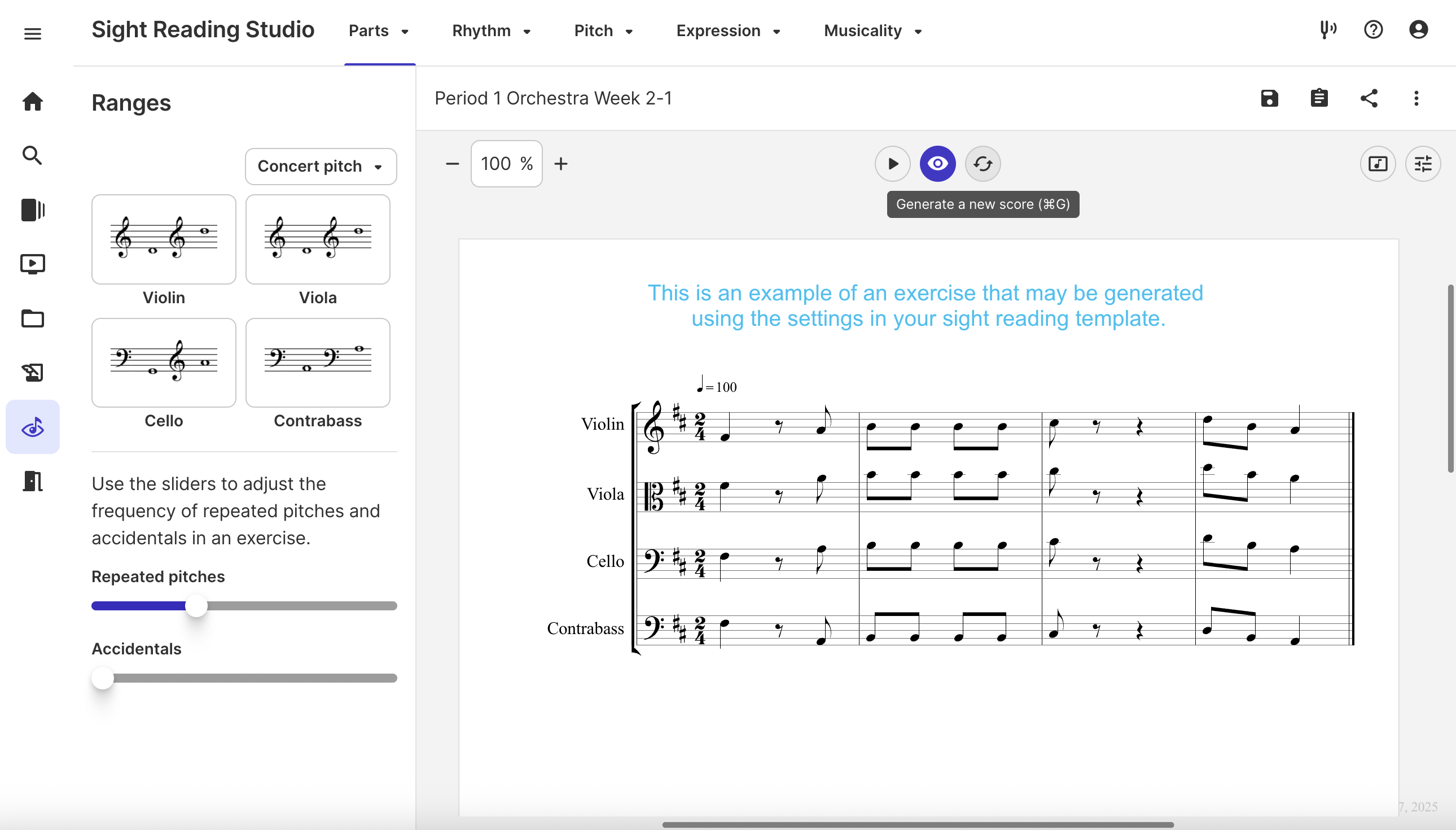
Digital tools, like MakeMusic’s Sight Reading Studio, can generate leveled exercises instantly, provide real-time feedback, and help you differentiate instruction without losing rehearsal time.
Encourage reflection
After a sight reading exercise, ask students what felt challenging and what strategies helped. This builds self-awareness and reinforces problem-solving skills.
Celebrate progress
Point out improvements over time, no matter how small. Recognizing growth helps students view sight reading as an achievable skill rather than an intimidating hurdle.
With these strategies, teachers can integrate sight reading into daily instruction in a way that is sustainable, efficient, and motivating for students.
For specific tips for band directors, private lesson teachers, and students, visit our blog Sight Reading For All: Applications of Sight Reading for Teachers and Students.
How Students Get Better at Sight Reading
Improving sight reading takes consistency and structure. For teachers, the key is not overwhelming students with long or overly complex material but instead giving them steady, achievable steps that build fluency over time.
Start small
Choose short, focused sight reading exercises that reinforce what students already know while introducing just one or two new challenges. This creates early success and builds confidence.
Separate rhythm and pitch
Work on each skill individually before combining them. For example, have students clap or speak a rhythm first, then layer in the pitches once the rhythm feels comfortable.
Highlight patterns
Point out recurring intervals, chord shapes, and rhythmic cells. When students begin to recognize these patterns at sight, they read faster and with more accuracy.
Train students to look ahead
Encourage them to anticipate what is coming next instead of focusing only on the current note or beat. This forward momentum makes their reading more fluid and musical.
Gradually increase difficulty
As students grow, introduce more complex rhythms, accidentals, leaps, and stylistic markings. This incremental challenge ensures continued growth without frustration.
When practiced in this way, sight reading becomes less intimidating and more like any other musical skill—something that improves with daily attention and thoughtful instruction.
Tools & Resources for Sight Reading Practice
Strong teaching strategies are essential, but the right resources can make sight reading practice more engaging and efficient. Explore MakeMusic and Alfred Music resources to find materials that fit your program:
- Sight Reading Studio in MakeMusic Cloud: Generate unlimited custom exercises, assess performance in real time, and practice solo or in ensemble mode.
- Try our Sight Reading Challenge!
- Shop Sight Reading Resources at alfred.com!
All Together Now!
Sight reading is one of the most powerful skills you can give your students, building confidence, independence, and long-term musical growth. With consistent practice and the right support, it can become a seamless part of your classroom routine rather than a challenge. Tools like Sight Reading Studio in MakeMusic Cloud make it simple to generate unlimited, customizable exercises, practice together in ensemble mode, and give students real-time feedback that accelerates progress. Start your free 30-day trial today and see how MakeMusic can transform the way you teach sight reading.
FAQ
What is sight reading in music?
Sight reading in music means performing a piece accurately the first time you see it. It is not memorization or rehearsal; it is about turning written notation into sound in real time. Teachers often describe it as a snapshot of a student’s overall musicianship.
How do you sight read music step by step?
To sight read music, scan the page before playing, check the key and time signatures, and identify rhythmic patterns. Encourage students to keep a steady tempo and resist the urge to stop for mistakes. This helps them learn how to sight read music with confidence and flow.
What is the difference between rhythm sight reading and pitch sight reading?
Ask most music educators where sight reading breaks down, and they’ll say rhythm. Rhythm sight reading focuses solely on accurately reading time values and patterns, while pitch sight reading emphasizes intervals and tonal relationships. Both skills need attention, but rhythm is where most errors occur.
What resources help students practice sight reading?
Students can practice sight reading using short excerpts from repertoire, rhythm drills, or dedicated books. Piano sight reading books from Alfred Music (alfred.com) are excellent for step-by-step progress. An app or generator, such as Sight Reading Studio, lets teachers create unlimited customized material.
How do you get better at sight reading in choir?
Sight reading for choir requires a focus on vocal independence. Have students practice solfege, neutral syllables, and rhythm clapping to strengthen their abilities. Building this foundation helps them become stronger ensemble singers.
What is a sight reader?
A sight reader is any musician who can perform music accurately the first time they encounter it. Becoming a strong sight reader means being able to read rhythm and pitch fluently, maintain a steady tempo, and communicate musical expression on the spot.
How can teachers help students practice sight reading daily?
The key is consistency. Dedicate five minutes of rehearsal to practice sight reading—choir warm-ups, instrumental rhythm drills, or short ensemble exercises. Treat it like scales: frequent, small doses yield steady improvement.