
You already know the job description doesn’t capture half of it.
Yes, you’re a music educator, but you’re also a counselor, mediator, mentor, coach, cheerleader, schedule-juggler, and, on some days, a miracle worker.
You already know the job description doesn’t capture half of it.
Yes, you’re a music educator, but you’re also a counselor, mediator, mentor, coach, cheerleader, schedule-juggler, and, on some days, a miracle worker.

You know this student, though “know” is a funny word for it, because they’ve made a quiet art out of not being noticed.
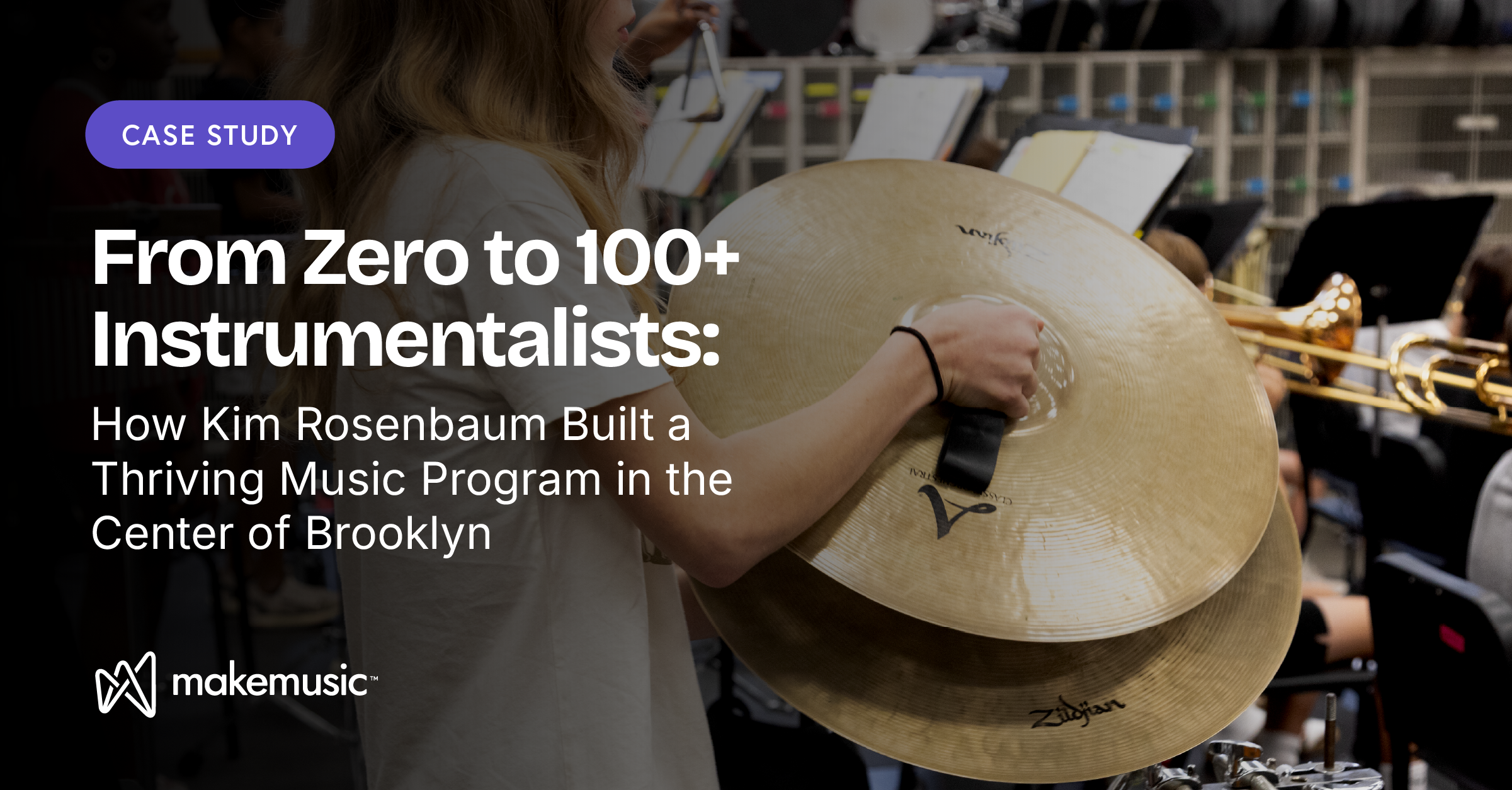
When Kimberly Rosenbaum walked into P.S. 197, The King’s Highway Academy, in central Brooklyn six years ago, she was met with an ambitious goal from her administration: build an instrumental music program from scratch.
You know this student, too. They’re not a bad kid; they’re just unconvinced. The instrument goes in the case in October and doesn’t come back out unless you’re standing right there.

You already know the feeling. You plan an incredible rehearsal, you give clear assignments, you send students home with everything they need, and then Monday rolls around and it’s like the music evaporated over the weekend.

You know the student. They show up already knowing the piece you recently assigned, or they’re sight-reading the next page while everyone else is still working through measure four.

Are you at the point where you’re ready to bribe your kids to practice? You’re not alone!
For many music teachers, the struggle to get students to practice outside of class is all too familiar.
It’s a cold weekday morning. You step into the crime scene you’ve been called to and take in your surroundings.

Before the marching season can get started, there are tons of things to do. Marching band is really not a “season” but a year-round endeavor!

As an elementary school orchestra and general music teacher, I have heard these two words countless times over the last ten years of my teaching career.