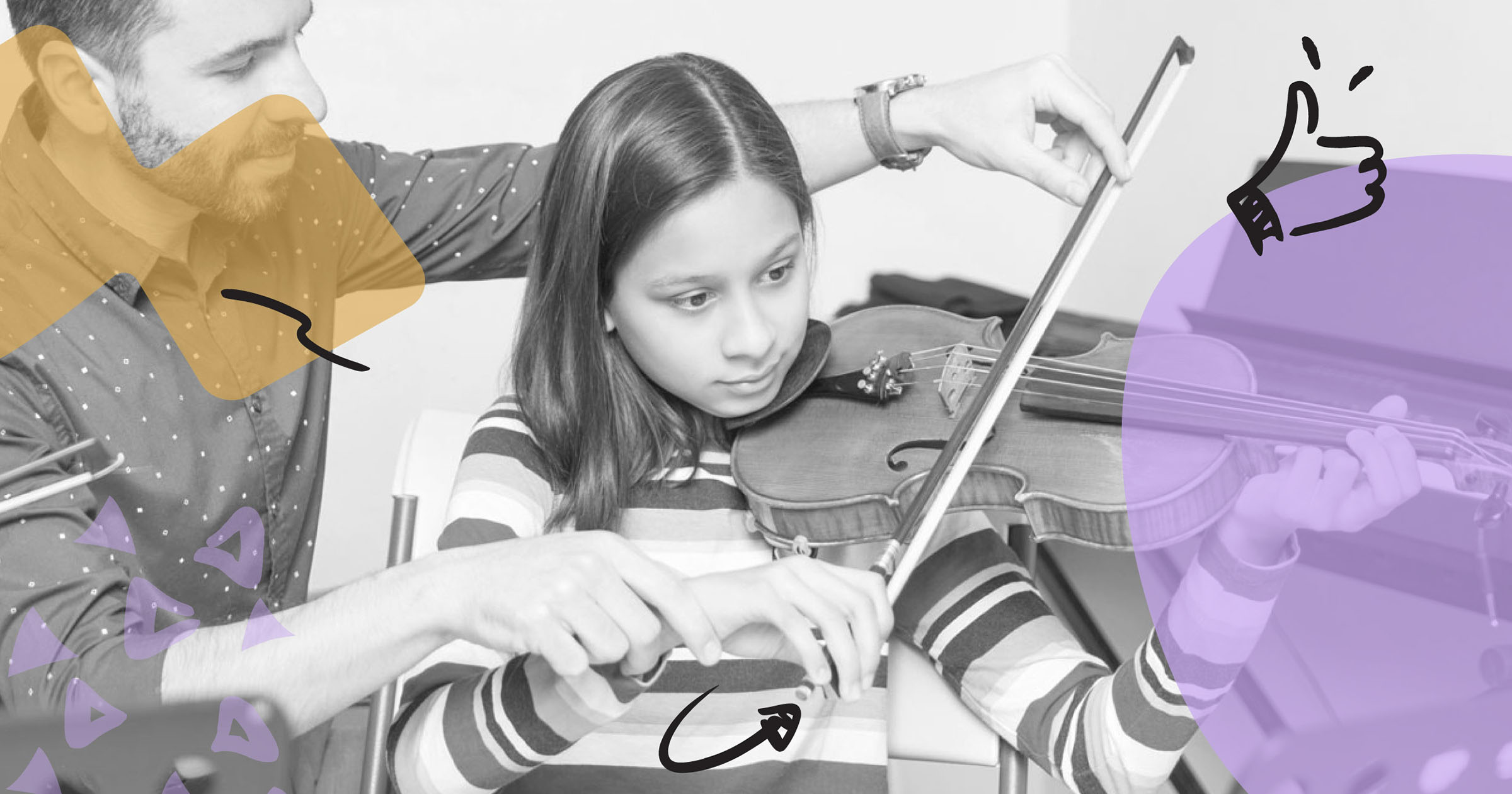
Ask a student how practice went this week and you already know the two answers you’ll get: an enthusiastic “good!” or a shrug. Neither one tells you a thing.
If you polled a room full of music teachers about their single biggest challenge, you might expect budget, or scheduling, or the ancient wheezing sound system in the cafetorium. But when educators are actually asked, the answer that comes back — by a mile, more than double anything else — is deceptively simple: getting students to practice.
It’s the quiet thing that shapes everything else. The kid who practices grows. The kid who doesn’t, plateaus, gets frustrated, and eventually decides they’re “just not musical.” You know it isn’t true. You can hear exactly what they’d become with twenty focused minutes a day. But you can’t sit in thirty living rooms every evening, and there’s the rub.
It’s not that they’re lazy
Here’s the thing we don’t say enough: most kids who don’t practice aren’t refusing to. They just don’t know how — and practicing alone is genuinely hard and a little lonely.
Picture it from their side. They’re in their bedroom with a piece of music, no teacher, no ear beside them, and no way to know if the note they just played was right or wrong. So they play it their way, twenty times, and it feels fine. What they’ve actually done is rehearse the mistake until it’s permanent. Then they show up to lessons having “practiced” and getting corrected on something they were sure they’d nailed. That’s demoralizing. Do it enough times and any kid would rather shrug and say “good.”
The problem was never effort. It was the missing ingredient every one of us relies on and most students don’t have at home: feedback in the moment.
What actually moves the needle
When you’re in the room, you are that feedback. A raised eyebrow, a “try that again,” a hummed correction — you close the loop instantly, and the student adjusts before the mistake sets. That immediate loop is the whole engine of improvement.
The teachers who’ve cracked the practice problem didn’t find a magic motivational trick. They found a way to put that feedback loop in the student’s hands for the six days a week they’re not in the room. Suddenly practice stops being a guessing game. The student plays, gets told right away what landed and what didn’t, and fixes it on the spot — the same way they would with you standing there.
Two things happen at once. The student improves faster because they’re finally practicing correctly. And they practice more, because progress is visible and immediate, and nothing motivates a kid like actually getting better.
Where MakeMusic Cloud comes in
This is exactly the gap MakeMusic Cloud was built to close. As a student plays, MakeMusic listens and shows them in real time which notes and rhythms are accurate and which need work — so home practice comes with a coach built in, not just a metronome and a prayer. They stop rehearsing their mistakes. You stop spending lesson time re-teaching what they drilled wrong all week.
And you get something back that’s honestly priceless: you can actually see who practiced and how it went, before class even starts. No more interrogating shrugs. You walk in already knowing which section needs measure 40 and which student needs a confidence boost — so class time goes to teaching, not detective work.
It doesn’t replace the part of the job only you can do. It just makes sure the six days between lessons finally count.
Tired of the practice guessing game? Start a free trial of MakeMusic Cloud and give your students a coach for the nights you can’t be there.
The hardest part of teaching…
The hardest part of teaching music isn’t the music. It’s everything that happens in the hours you’re not there. Solve that — give students real feedback the moment they play — and the shrugs turn into “wait, listen to what I figured out.”
That’s the answer you actually want to hear.