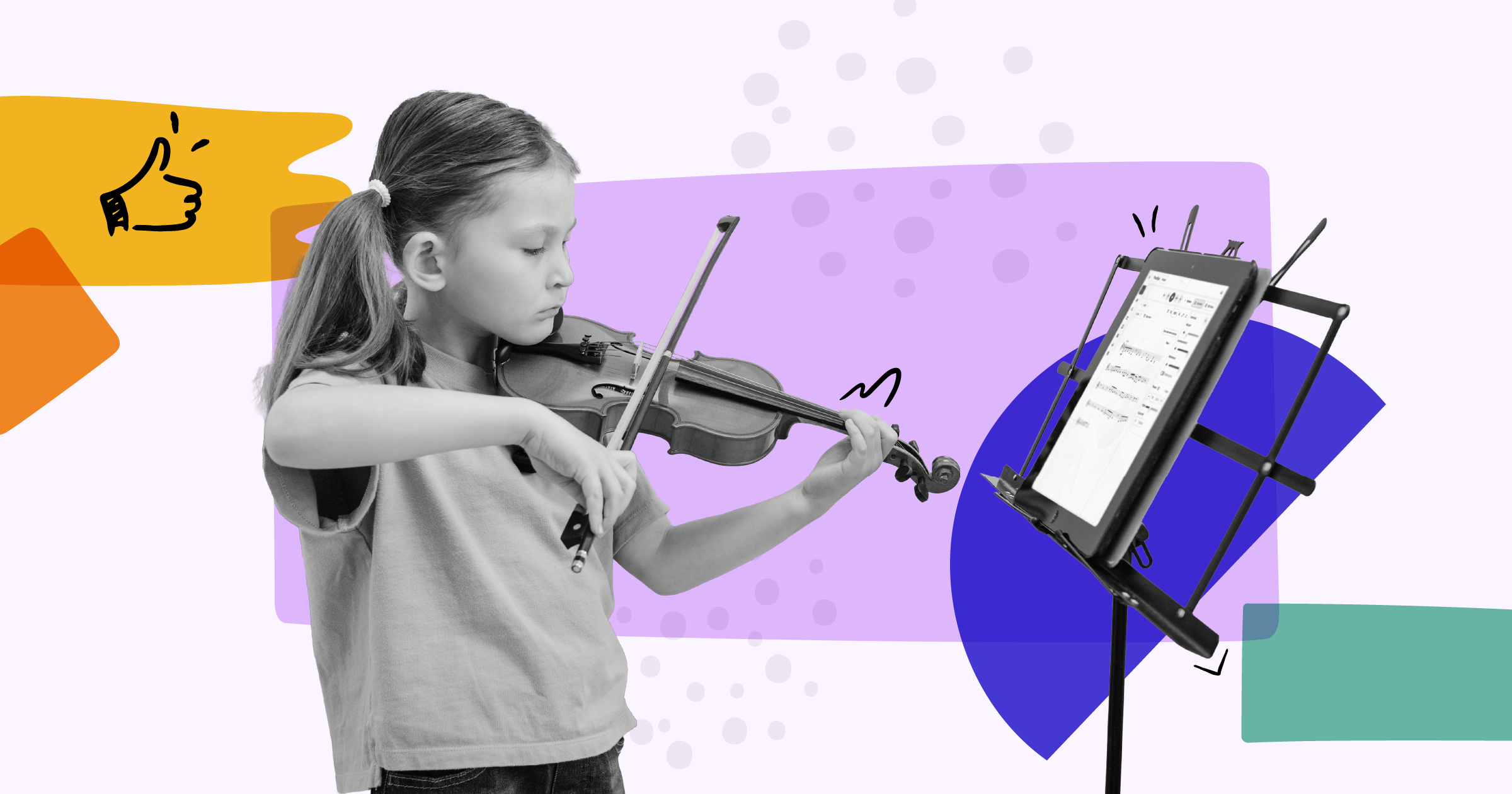
What would your students do with a brand-new piece of music and a few minutes to study it? By spring, you want the answer to be “read it with confidence,” and that confidence-building starts now.
A winter of steady practice with fresh music makes sight reading second nature. These five habits will get your students there, with MakeMusic tools ready to help you keep each one going.
1. How often should students practice sight reading?
Frequency matters most. Building sight reading into the warm-up of every rehearsal gives students regular, low-stakes reps, and those reps build the fluency they need for contest. Five minutes is plenty when it happens consistently.
Sight Reading Studio in MakeMusic makes this easy to sustain. A new exercise is ready in seconds, and you can adjust the tempo, play a starting pitch, or toggle the accompaniment right from the podium, so sight reading fits into your warm-up with no extra prep.
2. How do I keep sight reading material fresh?
Sight-reading skills grow fastest when students regularly read unfamiliar music. Rotating in new material keeps students focused on reading and gives you an accurate picture of where your ensemble stands.
Sight Reading Studio generates a new exercise every time, giving you an unlimited supply of leveled material and more planning time for rehearsal.
3. How can I prepare students for state sight reading requirements?
Practice at the level students will see at contest. State standards define elements like key, meter, range, and rhythmic vocabulary, and reading within those parameters builds familiarity with what to expect.
Pair that with a consistent study-period routine. Have students scan for the same elements on every exercise:
- Key signature and any key changes
- Time signature and meter changes
- Tempo markings and style indications
- Accidentals
- Dynamics and articulations
- Repeats, endings, and road map markings
Repetition makes the scan automatic, so students can spend more of their study time on the trickier passages.
MakeMusic’s State Standards-Based Sight Reading Studio Templates make leveling simple. They’re built on state standard criteria and live in the MakeMusic Cloud content library, where you can preview levels, assign them like any other library content, and save them to favorites or playlists. To customize one, upload the template file into Sight Reading Studio and adjust the parameters to fit your ensemble.
4. How do I connect sight reading to my curriculum?
Sight reading reinforces learning best when it reflects the concepts students are working on now. Aligning exercises with your method book lets students apply each new skill in an unfamiliar context, which strengthens retention. It also makes differentiation easy, since students can read at earlier or later lessons based on where they are.
MakeMusic’s correlated sight reading templates do this lesson by lesson for Habits of a Successful Musician, Book 1; Sound Innovations, Book 1; and Sing at First Sight by Andy Beck. Choose the template that matches your current lesson and generate a new exercise for warm-ups, concept reinforcement, or building contest stamina.
5. How can students practice sight reading at home?
Independent practice gives every student individual reps and shows you how each one reads on their own. That insight helps you target rehearsal time where it’s needed most.
Assign Sight Reading Studio exercises and templates through MakeMusic. When students record, they receive feedback on pitch and rhythm accuracy, and you get clear data on independent reading ability to guide your contest prep.
Start building your sight reading habits today
Consistent, focused sight reading practice is one of the most efficient ways to prepare for spring contest. Start with one habit this week and build from there.
Log in to MakeMusic to explore Sight Reading Studio, or start a free trial to try it with your students. For more ideas, join the Teaching With MakeMusic Facebook group to swap sight reading tips with music teachers across the country.
FAQ
When should I start preparing for spring sight reading contests?
Now. Starting in late fall gives students months of short, daily reps, which builds lasting skill and confidence before contest day.
What is Sight Reading Studio?
Sight Reading Studio is a tool in MakeMusic Cloud that generates new sight reading exercises based on parameters you choose. Teachers can use it in rehearsal and assign exercises for home practice.
Are there sight reading templates based on state standards?
Yes. MakeMusic’s State Standards-Based Sight Reading Studio Templates are built on state standard criteria and available in the MakeMusic Cloud content library.
Which method books do the correlated sight reading templates follow?
Habits of a Successful Musician, Book 1; Sound Innovations, Book 1; and Sing at First Sight by Andy Beck.