You already know what your students need. That’s not the hard part.
You’ve watched your 7th grade tenor boys struggle through that soli interval at measure 23.
You already know what your students need. That’s not the hard part.
You’ve watched your 7th grade tenor boys struggle through that soli interval at measure 23.

Teaching music is one of the most rewarding jobs in the world, and can also be one of the most exhausting.
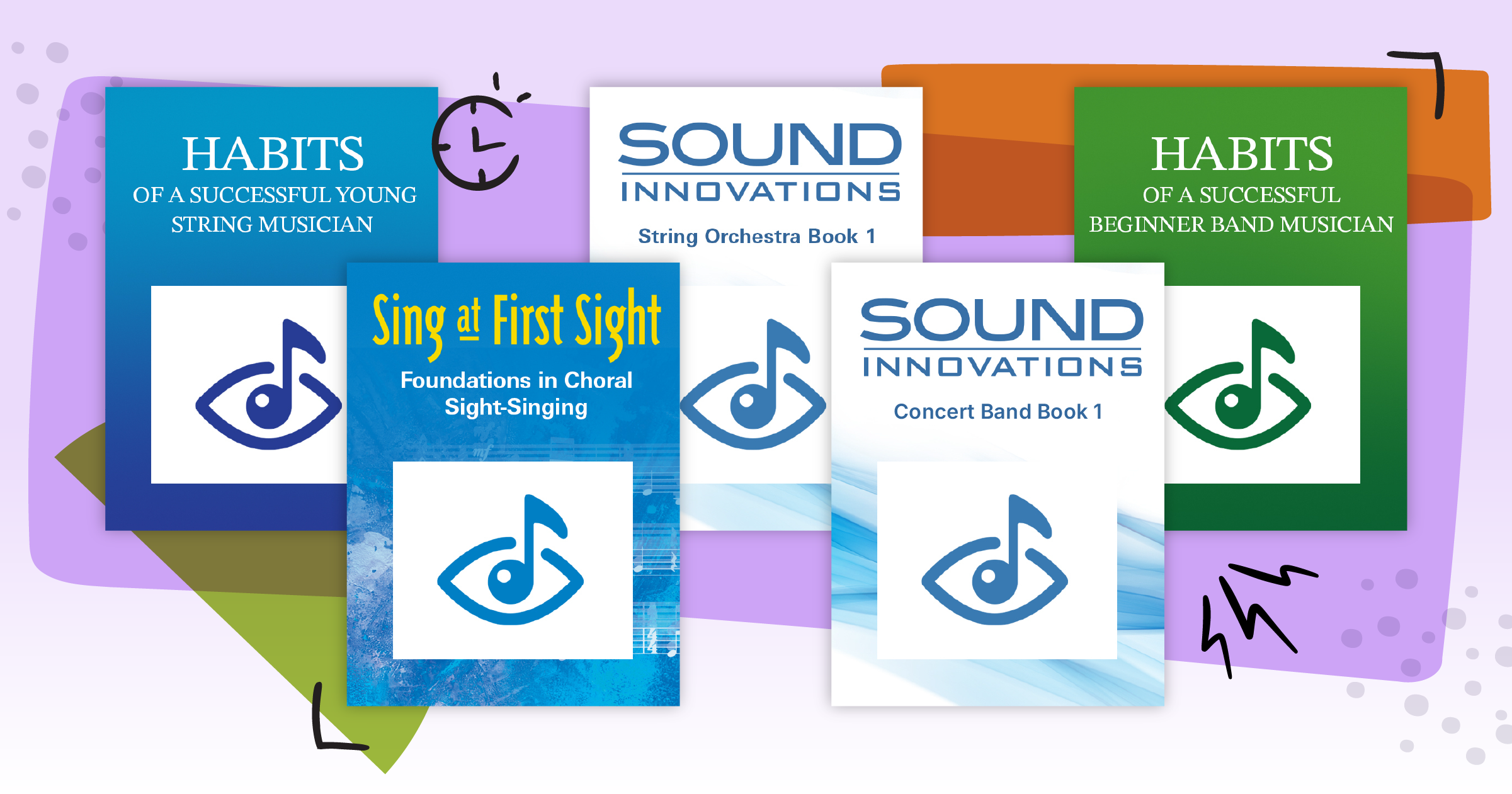
Strong sight readers learn music faster, rehearse more efficiently, and walk into the festival sight reading room with confidence instead of dread.

Welcome back teachers and directors! The start of a new school year is filled with energy and excitement, but let’s be honest, it can also be filled with administrative hurdles.

You know this student, too. Maybe there’s an IEP in the file, or a learning difference that never got a formal name, or a home situation that makes “practice 20 minutes a night” a nonstarter through no fault of their own.
For middle school ensemble directors, managing a wide spectrum of student academic backgrounds is a daily balancing act. In a single class period, a director might teach a high-achieving student taking advanced high school mathematics alongside a developing player who struggles to read basic notation.

There’s a moment most music educators know well: a parent pulls you aside after a concert and says something like, “I had no idea they were learning all of that.” It’s equal parts gratifying and a little heartbreaking, because you’ve been watching their kid grow into a musician all semester, and they’re just now getting a glimpse of it.